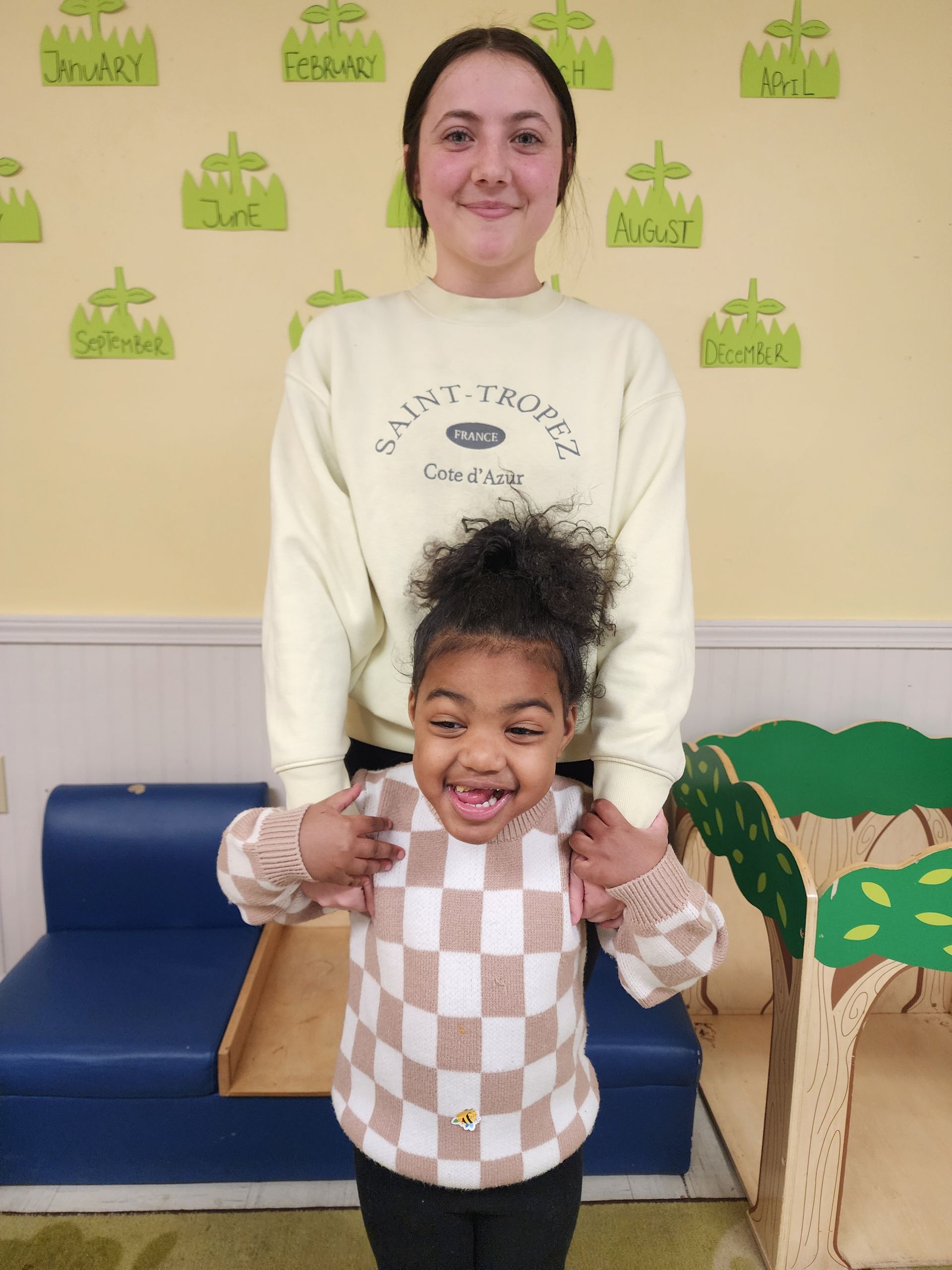
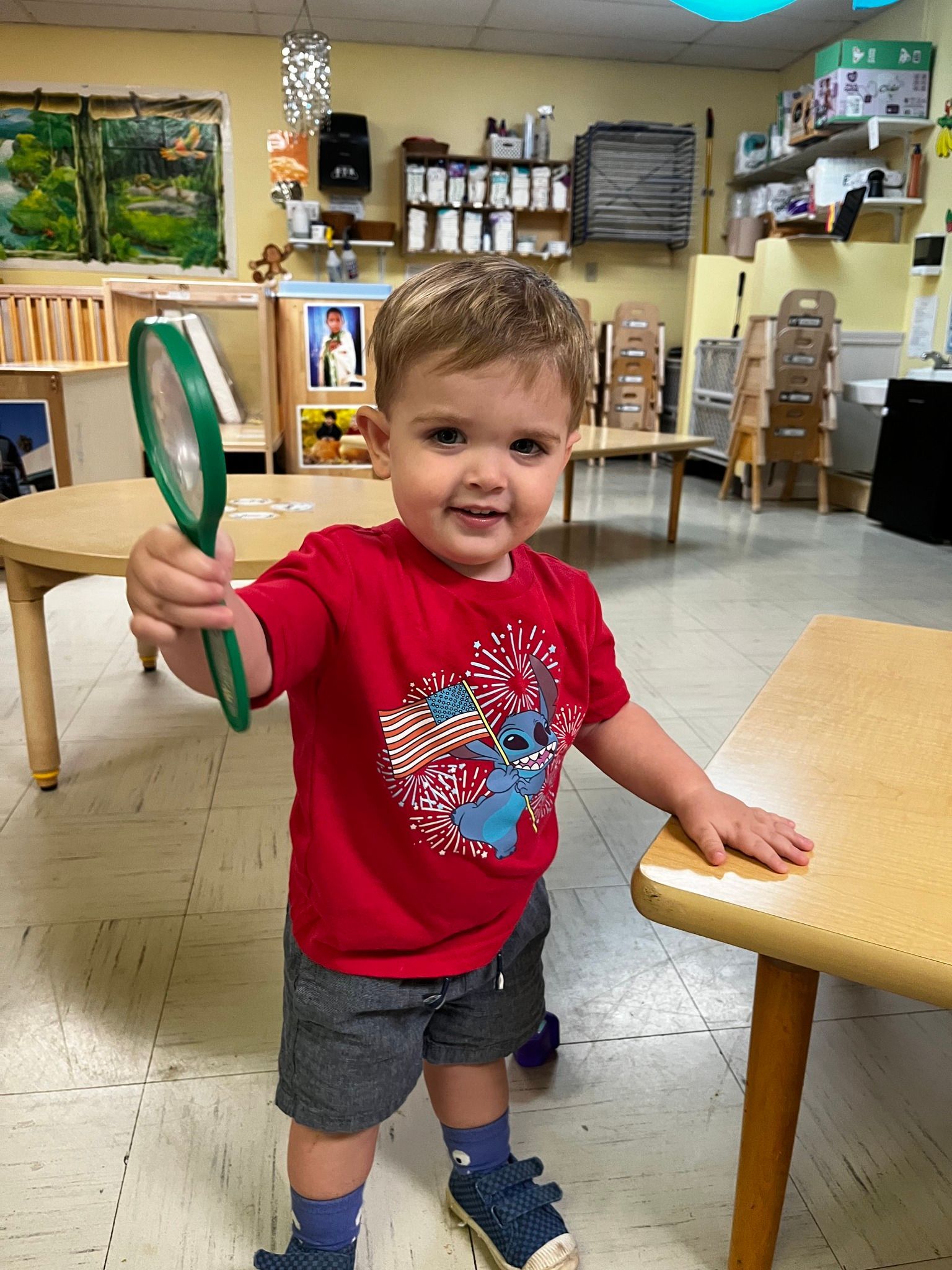
Most childcare centers focus on supervision. At Bright Start Early Learning Center, we focus on transformation.
For children ages 6 weeks to 5 years, Bright Start provides more than quality early childhood education in Southern Illinois — we provide the foundation for lifelong learning, emotional security, and healthy development. Our teachers don't just watch children. They nurture, guide, and empower them.
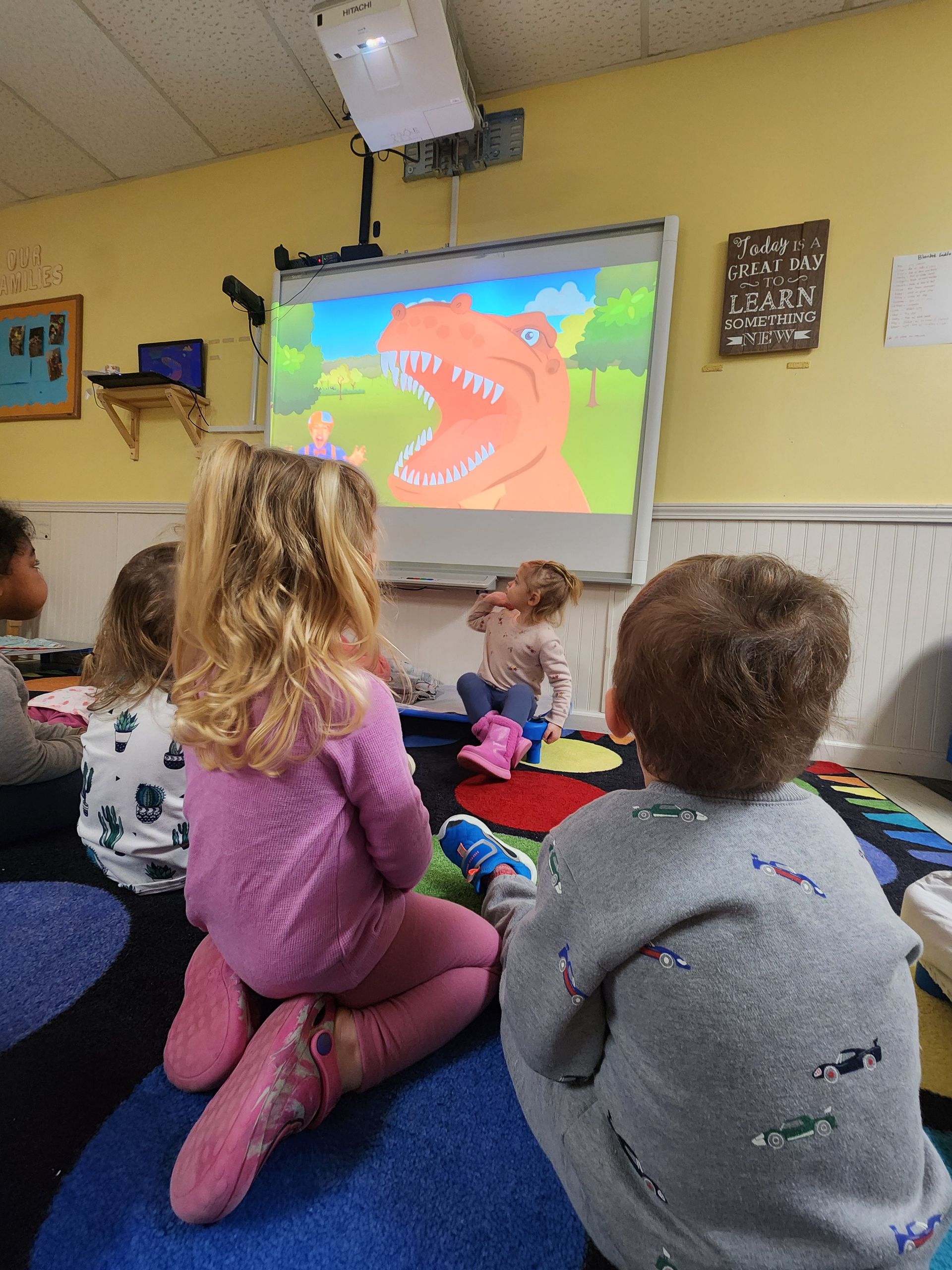
But what does that actually look like on a Tuesday morning in the Twos classroom?

Slide title
Write your caption here
Button
Slide title
Write your caption here
Button
Slide title
Write your caption here
Button
Bright Start: Where Every day Starts with "Good Morning, Friend"
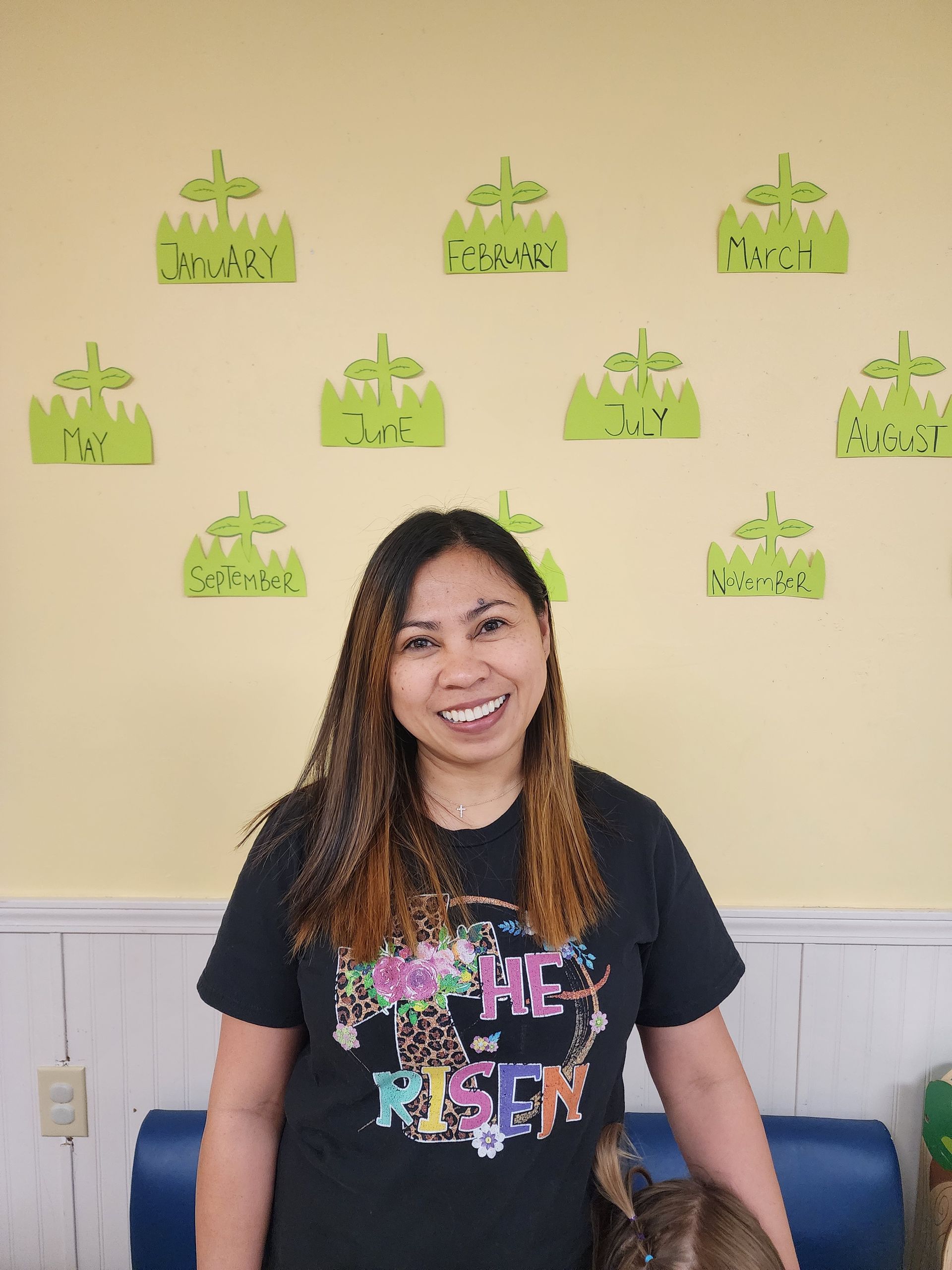
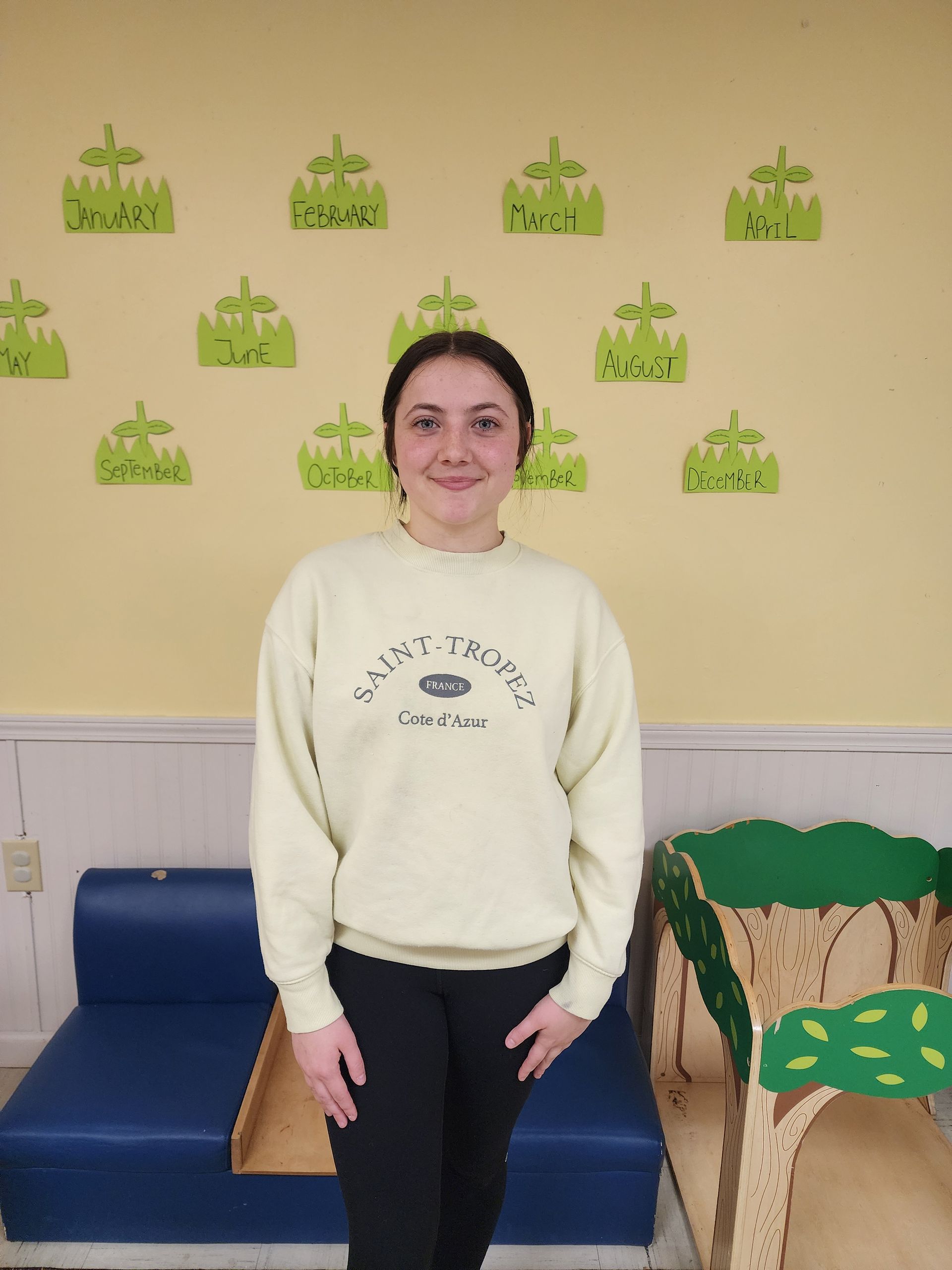
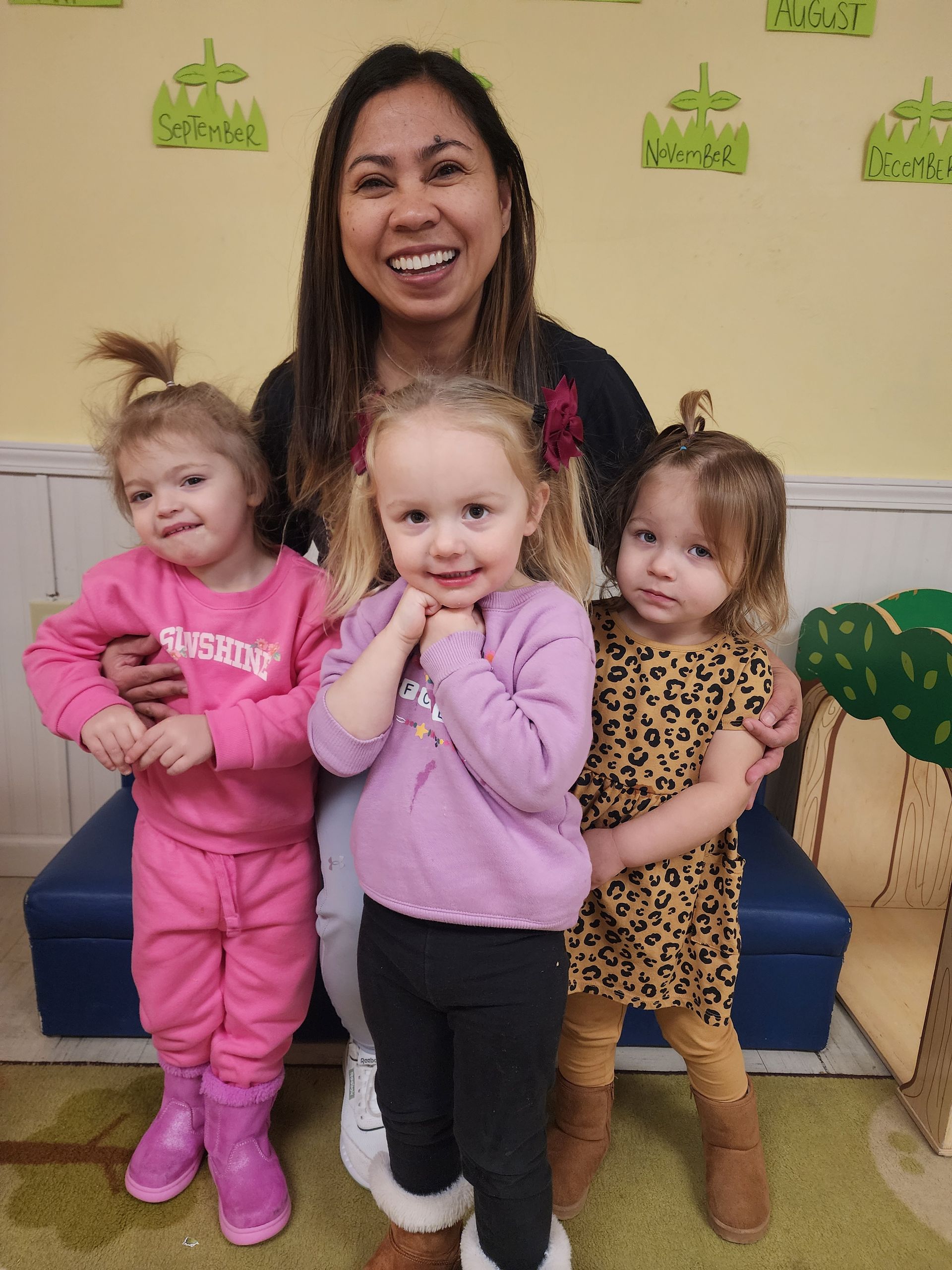
We asked Ms. Lucille and Kadee, the lead teacher and assistant teacher in our Twos classroom, to walk us through their day. Here's what quality early learning looks like in real time — and how your support through the Spero Giving Catalog makes it possible.
That atmosphere isn't accidental. It's the result of intentional investment in quality early childhood education — classroom materials, teacher training, curriculum development, and facility improvements that donors like you make possible through the Spero Giving Catalog.
THE DAILY SCHEDULE
6:00-6:45 AM: Waking Up
Quality early childhood education starts long before children walk through the door.
Ms. Lucille starts her day with intentional preparation:
"My alarm goes off at 6:15 AM. I set it for 45 minutes early to fully get awake, make coffee while getting ready, and listen to a devotional series while drinking my coffee. This helps me prepare not just physically but mentally and spiritually every day."
Kadee
has her own morning ritual that centers and focuses her for the day ahead:
"My morning ritual is important to me. I wake up at 6:00 AM, starting with getting dressed, skincare and vitamins. After that I pack my lunch alongside my partner, all while drinking my electrolytes. Jumping in the car, grabbing a coffee and arriving early."
Both teachers' morning routines reflect the dedication of every Bright Start educator. They arrive early, prepare thoughtfully, and show up fully present for the children in their care.
7:15-7:30 AM: Preparation Creates Safety
Kadee arrives at Bright Start with time to spare:
"I arrive about 7:15 — lateness is a fear of mine, so I'm always sure to be 15 minutes early. I clock in at 7:27 and start prepping the classroom at 7:30."
In those critical 15 minutes before children arrive, Kadee completes three important tasks:
- Putting the chairs down — creating an accessible, welcoming space
- Checking diaper supply — ensuring basic needs can be met throughout the day
- Preparing cleaning solutions — maintaining health and safety standards
These aren't glamorous tasks. But they're essential. And they're only possible because donors provide the funding for adequate supplies, appropriate furniture, and safe cleaning materials.
Your Giving Catalog
support ensures that teachers like Ms. Lucille and Kadee never have to choose between having enough diapers or enough cleaning supplies. Both are available, every single day.
7:30-8:15 AM: Every Child Deserves to Be Seen
The first interaction between teacher and child sets the tone for the entire day. Both Ms. Lucille and Kadee understand how critical these moments are.
Ms. Lucille focuses on personal connection:
"Greeting the child by name! I think that gives them a sense of belongingness, and for parents I think that gives them the feeling that their kids are safe and they will be fine, even if they have a hard time during drop-off."
Kadee
brings warmth and enthusiasm to every greeting:
"I'm always smiling, being sure to welcome any and every child with open arms. Phrases I use are 'good morning friend' and 'it's so good to see you today!'"
Why does this matter so much? In Southern Illinois, many families face significant challenges — financial stress, housing instability, limited access to resources. For some children, Bright Start is the most stable, nurturing environment they experience all week, so that warm welcome isn't just nice. It's therapeutic. It's essential. And it's what your donations make possible by supporting teacher training in trauma-informed care and social-emotional development.
9:40 AM - 11:00 AM: Structure Creates Freedom
The late morning hours are where intentional curriculum meets child-led exploration. Both teachers work together to balance structure with flexibility.
Kadee
explains their outdoor routine:
"We then play in centers until 9:40 unless we decide to go for a walk before, but the weather can prevent this. But if we do not walk, we head outside to play until 10:20."
Ms. Lucille adds depth to the indoor activities:
"If it's not too crazy I will start some crafts with them, sometimes by two's or individually. For me, circle time is most meaningful, where kids can be calmed down a little bit and learn. I can say they love our circle time."
Notice the rhythm: meals, play, outdoor time, circle time, crafts. This isn't random. It's developmentally appropriate practice — the gold standard in early childhood education.
Your
Giving Catalog support funds:
- Nutritious meals served family-style to build social skills
- Age-appropriate learning centers with rotating materials
- Safe outdoor play spaces with appropriate equipment
- Circle time materials including books, songs, and sensory activities
- Craft supplies for hands-on learning experiences
11:00 AM: The Most Meaningful Moment
When asked what moment stands out as most meaningful, Kadee didn't hesitate:
"Lunch is then ready at 11. This is one moment that is most meaningful to me, singing songs as the children find their seats. Being sure each friend is happy and eating plenty before naptime."
In that simple moment — singing songs while toddlers find their seats for lunch — Kadee creates routine, predictability, and joy. Children learn:
- They belong
- Their needs matter
- Mealtimes are safe and pleasant
- Adults can be trusted
For children experiencing instability, these lessons are life-changing.
2:30 PM - 3:30 PM: Every Child Leaves Feeling Loved
As naptime ends and the day winds down, both teachers focus on making sure every child feels seen and celebrated.
Ms. Lucille describes the afternoon routine:
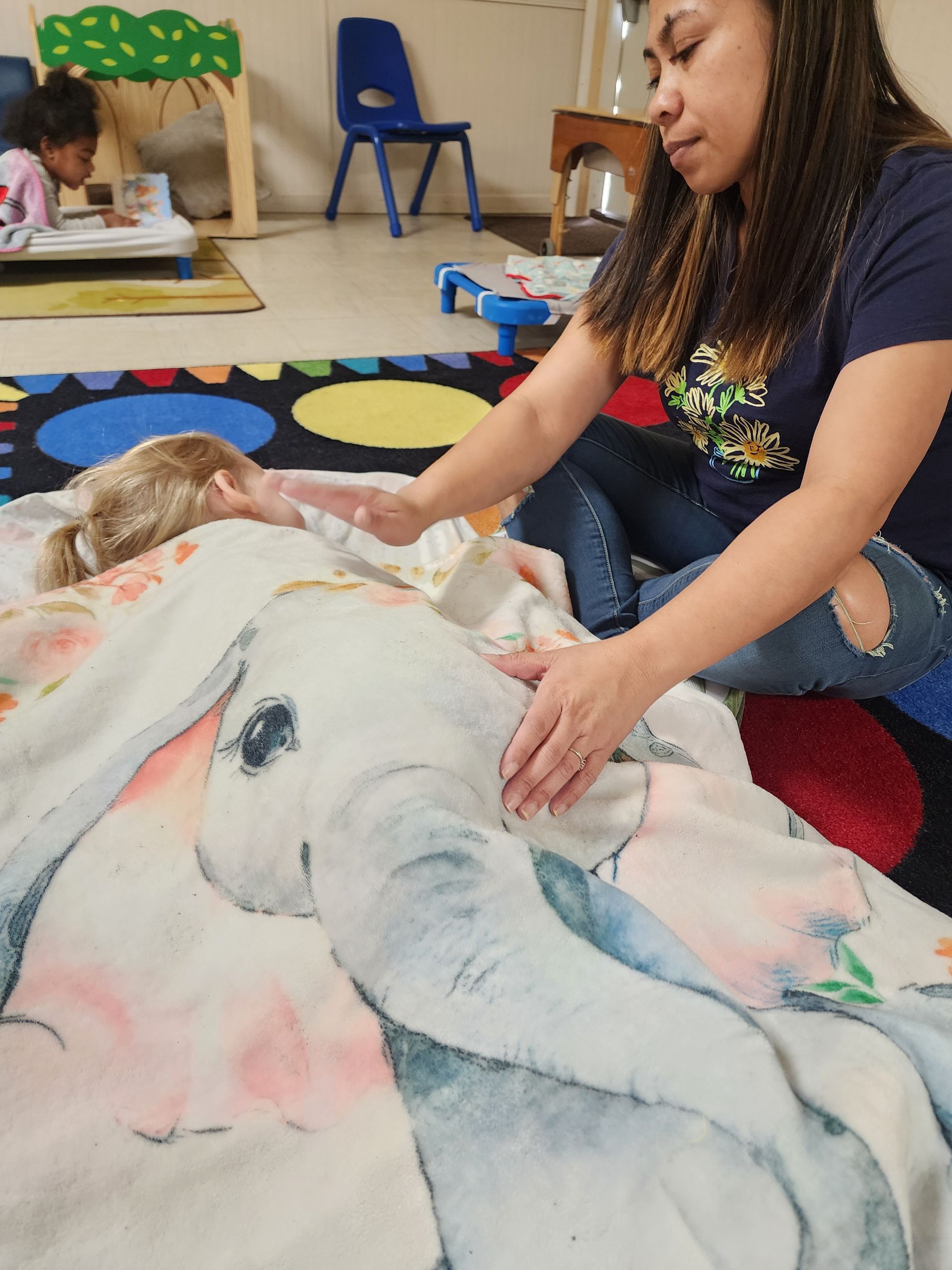
"After naptime, we have snacks, and kids have assigned seats so most of the time they know where to go. I give them the chance to put their blanket in the basket if it's our laundry day, and they like doing that. After snacks is free play and time outside if the weather permits, also time for me to finish some crafts with them."
Kadee
focuses on connection during pickup:
"I personally put on fun songs, singing and dancing silly to make friends smile. As each friend is picked up, we give hugs and always end with 'see you tomorrow!'"
Ms. Lucille explains why this matters:
"I think that gives them a sense of assurance that they are loved and we are excited to have them again tomorrow."
The day ends the way it began: with connection. Every child is seen. Every child is hugged. Every child hears, "See you tomorrow" — a promise of stability and continuity.
After 3:30 PM: Why They Keep Coming Back
After the last child leaves, both teachers face their commute home. We asked them what makes them want to come back and do it all over again the next day.
Ms. Lucille's answer was simple and profound:
"No matter how busy or crazy the day was, I still call it 'a finished day'. What makes me keep doing what I'm doing? I love my kids."
Kadee reflected on the impact of her work:
"After everyone has gone home and things are much more quiet, I think about the 30 minute drive back home. Knowing that every child was fed, changed and had another good day makes me want to come back. It is important that children feel safe and are safe. And if I can be that for them, I will. Every day."
That commitment — "I will. Every day." — is what separates adequate childcare from transformative early childhood education.
And it's only sustainable when teachers are supported with:
- Competitive wages
- Adequate supplies
- Ongoing professional development
- Manageable class sizes
- A mission-driven organization behind them
We asked both teachers to share specific moments where they saw a child have a breakthrough. Their answers capture everything Bright Start is about.
From Kadee:
"One child in our classroom always played by themselves, becoming frustrated when others would join. One day after some time with new friends, they came into class and joined a friend who was alone, and was interacting, talking, playing together. This brought slight tears to my eyes because loneliness as a young child may be harder as they grow. Seeing them grow the confidence to branch out was magical."
From Ms. Lucille:
"There was an instance that one kid dropped trash on the floor and another student saw it, and she told her friend, 'Hey, we don't throw trash on the floor - throw it in the trash can'. Listening to her brought a smile to my face. We are always reminding them that if we make a mess, we should clean it. That simple stuff carries through as they grow."
A lonely two-year-old learned to connect. A toddler reminded a friend to clean up after themselves. These aren't small things. Research shows that early social-emotional skills are the strongest predictors of long-term success — stronger than early academic skills.